
Tips from your taxidermist


As a taxidermist, I have had the opportunity to witness a wide range of practices in the field, and it is not uncommon to observe significant mistakes being made by both new and seasoned hunters alike! The art of taxidermy is closely intertwined with the initial handling of the animal, and improper techniques can lead to disappointing results. After years of experience, having encountered just about every conceivable method of skinning and preparing a trophy, I have compiled a comprehensive list of valuable tips and insights to help you ensure that your hard-earned trophy is preserved in the best possible way. These tips are designed to guide you through the process, from the moment you take your shot to the final stages of preparation, enabling you to make the most out of your trophy and ensuring that it remains a cherished memento for years to come. Whether you are a novice hunter looking to learn the ropes or an experienced outdoorsman aiming to refine your skills, these pointers will provide essential knowledge that can significantly enhance your taxidermy experience.

PLANNING
Make sure to have a plan! Many hunters treat taxidermy as an afterthought, but having a strategy for success can benefit you in multiple ways, including securing that trophy for your wall. Do you have a specific pose in mind for you

r mount? What type of mount are you considering? There are numerous options, from basic European mounts to traditional shoulder mounts and life-size recreations. The possibilities for your taxidermy display are endless. This decision can influence various aspects of your hunt, such as shot placement, skinning techniques, and overall proper field care.
SKINNING
You've likely heard the saying "there is more than one way to skin a cat." Although this phrase is thought to originate from methods of preparing catfish, it applies here as well! Given the numerous options and variables, I won't specify exact methods but will offer a few key tips. Consult your taxidermist before you go hunting to see if they have a preferred skinning technique.

When skinning, try to keep your cuts straight and avoid cutting the hair. A sharp knife will help you achieve a clean result. This also ties back to having a plan! If you're planning a shoulder mount or pedestal, ensure you leave plenty of hide below the brisket and avoid cutting too high when field dressing; staying below the ribcage is always best. If you're not confident in skinning your trophy cool as quickly as possible transport to your taxidermist as soon as possible. This leads us to our next topic: field care and best practices to preserve your trophy until delivery to your taxidermist.

Bonus tips for European mounts:

FIELD CARE
Whenever possible, especially in the warmer climates often found in western hunting, treat
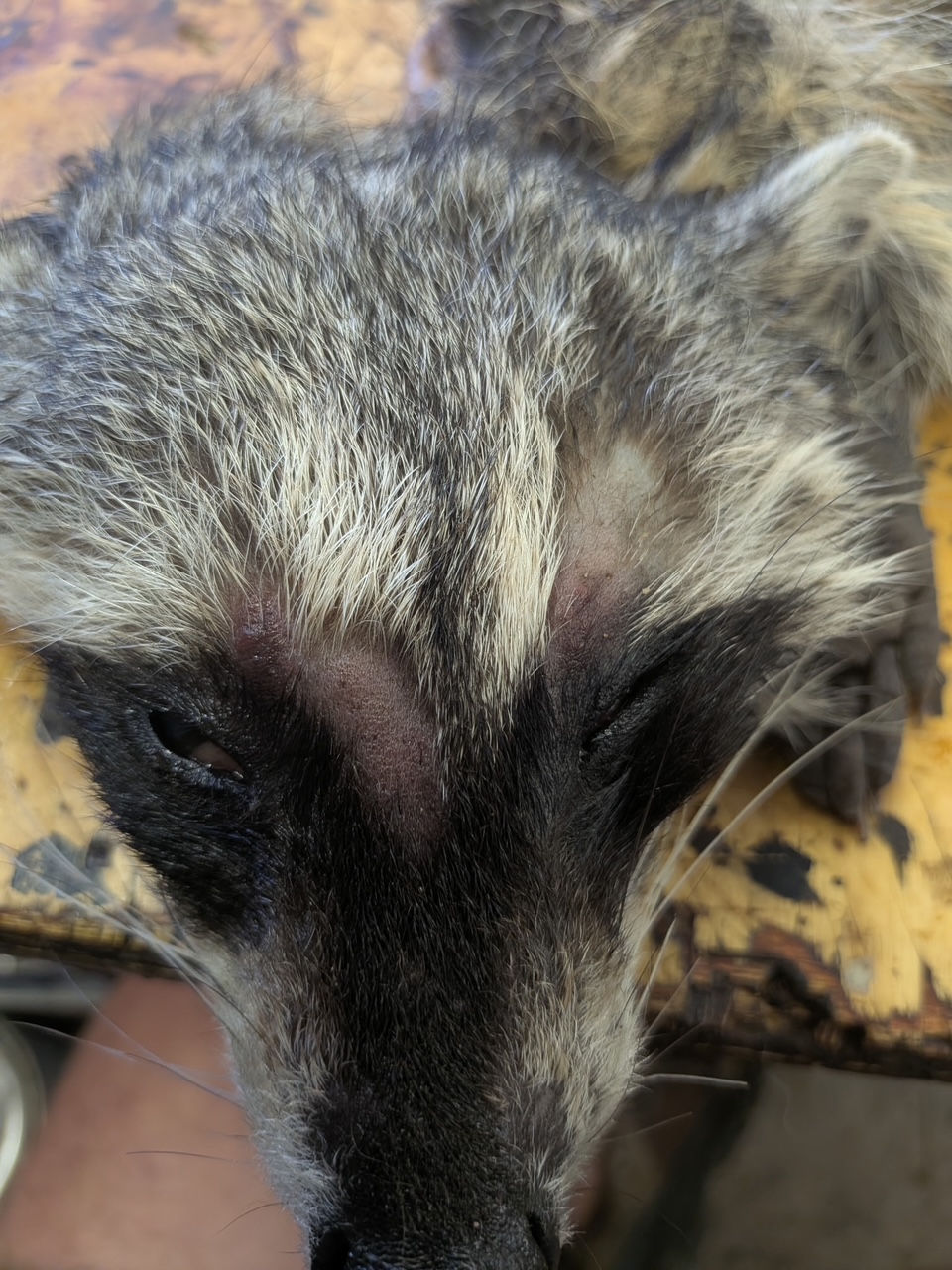
your hide and head as you would your meat. Avoid dragging your trophy, and ensure the hide remains clean and free from debris and bacteria. Cool it quickly and keep it dry. Storing your hide and head in an ice chest as much as possible will prevent the hide from slipping. Generally, it's best not to keep your hide in this condition for more than a few days. If you need more time to transport it to your taxidermist, it's advisable to carefully wrap your hide, with the skin side out, in two layers of quality plastic garbage bags and freeze it. This method can preserve the hide for many months or years, but it's difficult to determine an exact "expiration" date, and often issues with the hide won't become apparent until the tanning process begins. If you plan to store your hide for longer than about a year, I recommend contacting your taxidermist to have the hide dry tanned for longer-term preservation.


GUIDED HUNTS
Even when embarking on guided hunts, it is crucial not to rely solely on the guides to possess knowledge of the proper techniques for the field care of your trophy. While many guides are indeed fantastic skinners and have a wealth of field care experience, there are instances when some may become complacent, fatigued from long days in the field, or simply may not employ a technique that aligns with the preferences of your taxidermist. This discrepancy can lead to suboptimal care of your trophy.

Additionally, the importance of being proactive cannot be overstated. Anytime you have the opportunity to bring along proper equipment, as well as a solid understanding of the necessary knowledge and skills for field care, it is often welcomed by your guides. Having the right tools and knowledge at your disposal not only empowers you to take an active role in the care of your trophy but also serves to keep your guides accountable and engaged in the process. By actively participating in the field care of your trophy, you can significantly enhance the overall experience of your hunt. This collaborative approach fosters a better working relationship with your guides, as they will appreciate your involvement and commitment to ensuring the best possible outcome for your prized trophy. Moreover, it can lead to improved communication and a shared understanding of expectations regarding trophy care. Bringing your own knowledge, skills, and equipment to the table not only enhances your hunting experience but also helps safeguard the integrity of your trophy, ensuring that it receives the care it deserves from the moment it is harvested until it reaches the taxidermist.
Bonus tip from a hunting guide:

Water bottles and empty 2 liter bottles make great ice blocks! before heading afield freeze a few cases of water or clean used 2 liter bottle and fill with clean water. Not only will this provide you with cold or emergency drinking water as they defrost they work great for preserving your meat and trophy. Also a large plastic storage to secure some of your gear in can work quite handily as an ice chest to house your head/hide with some frozen water bottles for transport to your taxidermist!
CONCLUSION
Before you embark on your hunt, it is highly advisable to seek skinning advice from the taxidermist you plan to utilize for your trophy. Understanding their specific requirements and preferences can greatly enhance the quality of the final mount. If you find yourself uncomfortable with the skinning process or lack the necessary experience, it is best to deliver the animal to your taxidermist as soon as possible after the hunt. Regardless of whether you decide to skin the animal yourself or opt to take it directly to a professional taxidermist, it is crucial to handle the hide and head with the same level of care and attention as you would for the meat. This means ensuring that both the hide and head remain cold and dry throughout the entire process, as proper handling will significantly affect the preservation and quality of the final result.

Comments