
The Ultimate Guide to Hunting Javelina in Arizona

Introduction to Javelina
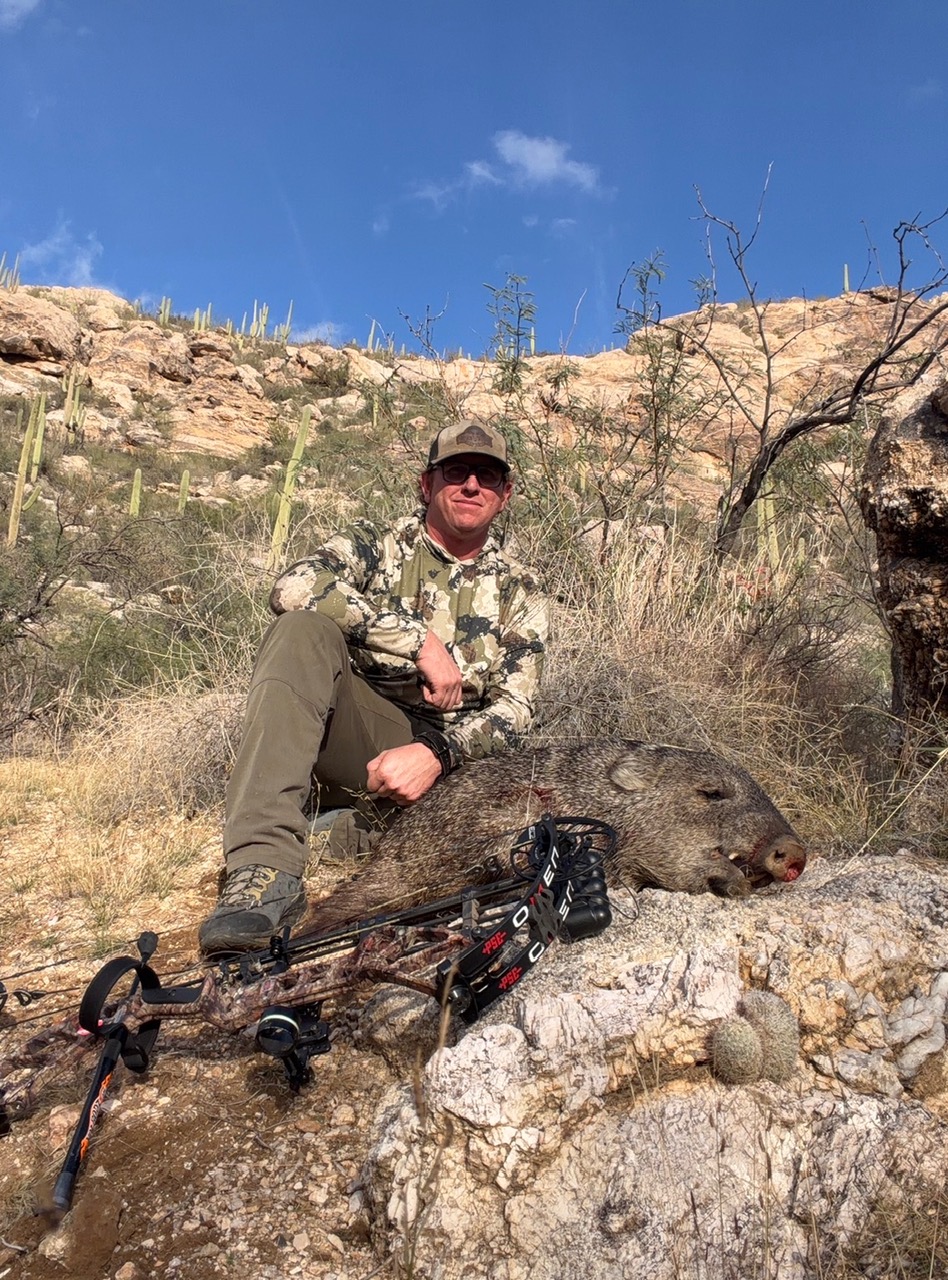
Javelina are a Collared peccary that evolved in South America and migrated north. Currently they reside in 3 US states, Arizona, New Mexico, and Texas. Though they have pig-like features and some mannerisms they are in a family all their own. Adults, typically weigh between 35-60lbs and they typically live in groups of about 5-25 Javelina called herds or squadrons. These herds typically have a home range of about 1-3 miles without a lot of overlap in ranges with other herds. Typically, they inhabit desert lowlands and the “sky islands” of Southern Arizona but can be found all the way up into high desert and pine tree country of higher elevation areas.
Habitat, food and water

Most commonly Javelina are found low flat desert floor wash bottoms to high deserts at about 5500ft and will be the focus here. Though Javelina will feed on a variety of roots, fruits, nuts, flowers, succulent desert plants and of course your wife’s favorite flower beds… Pricky pear, Spanish dagger, agave, and barrel cactus roots are all fair game for javelina and
a great place to begin looking to them if hunting a new area. Of these cactus types prickly pear is by far their favorite. Sign from them rooting and shredding cactus paddles are common in feeding areas. Herds of Javelina typically only water every few days even when young are present. This makes water sitting sometimes very slow going and painful unless there are severe drought conditions or dense Javelina populations near one particular water hole or drinker.
Making "Javelina Sense"

Javelina have relatively poor eyesight, average hearing but an excellent sense of smell. Don’t let them fool you though they are far from deaf or blind. When stocking or still hunting them be sure to keep your wind away from the javelina or where you think they might be. Rarely is approaching them on a ridge from below successful especially in the morning. Usually in the case of spotting them on a ridge, you’re better off to approach from above or at least at the same elevation on the ridge. As for hearing they tend to make a lot of noise as a herd, especially when feeding so you can typically get away with a lot in the noise department.
Finding Javelina

Most experienced Javelina hunters will tell you the hardest part of hunting Javelina is, FINDING JAVELINA! Scouting before your hunt can be invaluable in finding places to hunt them when your season begins. There are a few ways to locate Javelina with spot and stalk probably being the most common and effective. These common methods will be covered in detail below.
Spot and Stalk:

Spot and stalk Javelina hunting can be an incredibly fun and fruitful or dismal and painful experience! Though they live in large herds they often occupy fairly thick country and can be incredibly hard to spot! Typically, high powered binoculars with a magnification of 12-15X and mounted to a tripod are best. High quality 10x42 or similar binoculars can be used effective but I typically recommend keeping your glassing to closer ranges (sub 500yds) and covering more ground between glassing points as needed.
Still hunting and sign:

Boots on the ground can also be a very effective way of hunting Javelina, Covering ground in wash bottoms and in habitat frequented by Javelina. Look for fresh “sign” while coving ground. Sign can come in many forms to include tracks, rooting activity, scat and bedding sites. The key here is to make sure the sign you are finding is very fresh. Javelinas foot shapes and herd density can make tracking them effective. Especially after rain or other known factors allowing the hunter to “age” the tracks. Javelina are also boisterous and can make a lot of noise during feeding or heard interactions. Be sure to keep an open ear out for them as well.


Calling:
Javelina have a natural predator and herd defense distress sound they make. This can be simulated with one of the many Javelina or even predator rabbit distress type calls on the market. By far one of the best on the market is the Rick Forest Javelina Blaster. Depending on overall herd size, pressure, current predation and many other factors Distress call reaction is about 50/50. Half the time the herd will run very quickly in the opposite direction of you. The other half a few animals from the herd will circle back towards your direction. This can make for some exciting hunting with them often ending up in your lap at 20 yards or less. Though cold calling can sometimes be effective in places Javelina are known to frequent this method in my opinion is best left as more of a last resort or after a missed shot opportunity.
Weapons and calibers

Handguns:
Most traditional defensive handgun calibers greater than 9MM/38special caliber work well for Javelina. Bullet selection here is important with fast expanding, defensive type hollow points being the best choice. Classic Gold dots , HST’s and Critical defense all work well. At the time of writing AR-15 type pistol with or without braces are a gray area with AZGFD not giving clear definition on their legal status as a “handgun”. Though somewhat difficult to come by these days, Thompson contenders, Remington XP-100s in .221 fireball, 7-30 waters and the like where almost purpose built for Arizona’s HAM tag and can be a fun option.
Rifles:

Though Javelina are relatively small animals they can be very tough and are known to soak up many arrows and can cover significant distances before going down. Rifles in calibers greater than .223rem and less than 30/06 are typically good choices. Bullet selection can be very important, and I typically recommend faster expanding bullet construction. People often mistake their toughness and willingness to survive with anatomical toughness, Using heavy construction bullets made for deep penetration and slow expansion even in heavier calibers i.e. 270win 7MM rem magnum, 308win can be a big mistake. Even larger calibers typically fail to provide adequate bullet expansion in the relatively small cross section of the Javelina. Calibers to include 6MM ARC, 243 win, 6.5 Grendel, 25-06 and utilizing lighter construction bullets Sometimes even for Varmint or Match applications can be the better choice. We will save the match bullets for hunting debate for another day… but properly selected match bullets can be great for hunting applications to include Javelina.
Primitive Weapons (Archery/Muzzleloaders)

Javelina with their relative ease of stalking close, make them a fantastic choice for archery and muzzle loaders. Typical archery tackle used for deer hunting work well to include fixed and expandable broadheads. Make sure you bring plenty of arrows as they can be quite tough to put down especially with less than ideal shot placement. With most muzzle loaders being large bore, they tend to pack a wallop on Javelina. When possible utilize light for caliber projectiles and standard or reduced loads to save your shoulder.
Shot Placement and Anatomy

Javelina have a strange anatomy and vitals that are further forward than a lot of other animals. Unfortunately, many of the Javelina we receive are gut shot due to hunters aiming for more traditional vital zones that are to are too far back on Javelina. Also Javelina have a long-bristled

mane or “FLOOOF” per my wife. They will often puff this mane up when frightened to make them appear larger than they are. This can often make hunters shoot high and miss them in the no-man’s land of bristled mane or “FLOOOF”.

When a broadside shot is presented Halfway up the body vertically where it intersects with their gray collar or stripe is an excellent aiming point. Frontal Shots though controversial with other animals can often be very effective on Javelina especially at closer ranges. They have a rather large head and neck compared to body size. When fired upon from the front angle the likely hood of hitting head/neck and continuing into vitals is high as this presents a large target area. (see illustration) Though these shots can often stop Javelina in there tracks be careful as this this can ruin you European mount or best case turn it into a nice jigsaw puzzle.
Field care and enjoying your harvest
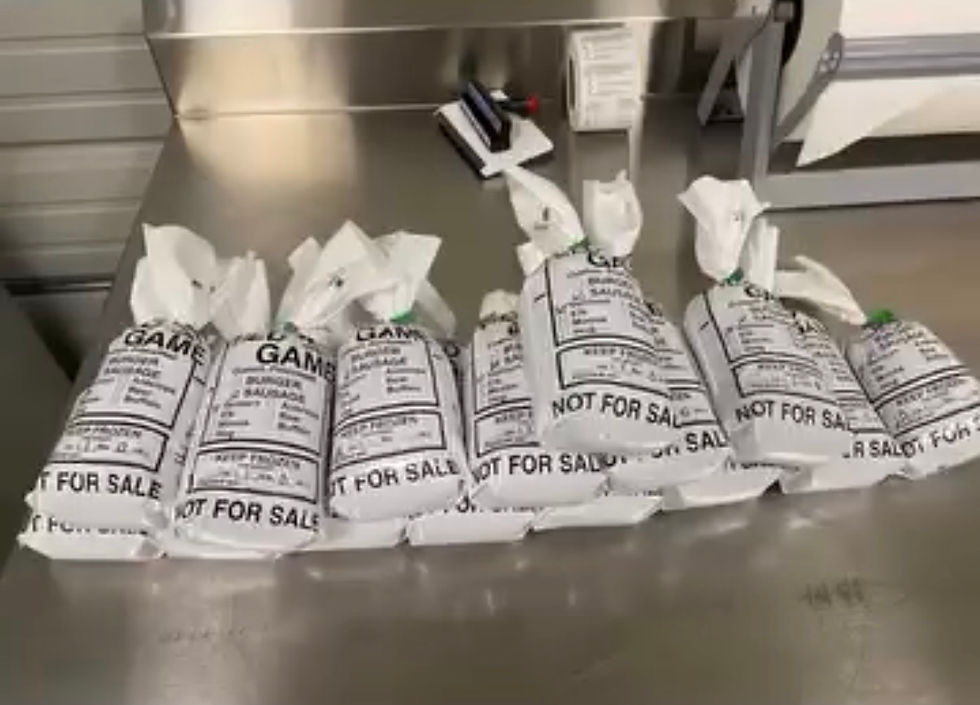

Javelina can be very tasty and get a bad reputation for many reasons including poor field care. Once harvested field dressing Javelina quickly is important. Even when a proper shot is made the small size, angle of the animal and trajectory of the bullet can often cause some trauma to the gut cavity. Removing the guts quickly can help to preserve the best quality meat. Once gutted, skin the animal as normal. There is a lot of confusion on the scent gland located on their back, try not to disturb or otherwise damage the gland. Simply skin as normal and the gland will come off with the hide. Once gutted and hide has been removed change gloves or wash your hands and knives used to prevent contamination of the meat. Javelina can carry trichinosis and other things so a well done (165 degree) preparation is recommended. Due to this they tend to fair well processed or prepared as sausages, chorizo, and crock pot recipes.
Conclusion
Hunting Javelina can be an excellent time and a great way to introduce new and youth hunters. Don’t let this fool you as they can still be incredibly tough animals to hunt even for the most seasoned hunters. Also if you live in Southern Arizona or where Javelina are native don’t expect Javelina found in the wild to act like the Sonoran trash pandas found in your neighborhood on trash day. Javelina in the wild are typically far wearier of humans and much harder to locate. One of the most important things to remember when hunting Javelina is persistence. I have found them from first/last light and at all times of the day in between. Javelina tend to be active in the middle of the day especially in cold weather. Hunt hard and I am sure you to can be successful!

Comments